
Temples & sanctums
Lakeside Shiva mandir (Kashi Vishwanath / Shakti Peeth), associated murthis, and routine care of roofs, floors, lighting and ritual spaces.
Temples, roads, halls and pilgrim works — the practical care that keeps the sacred shore open every day and through Maha Shivratri.
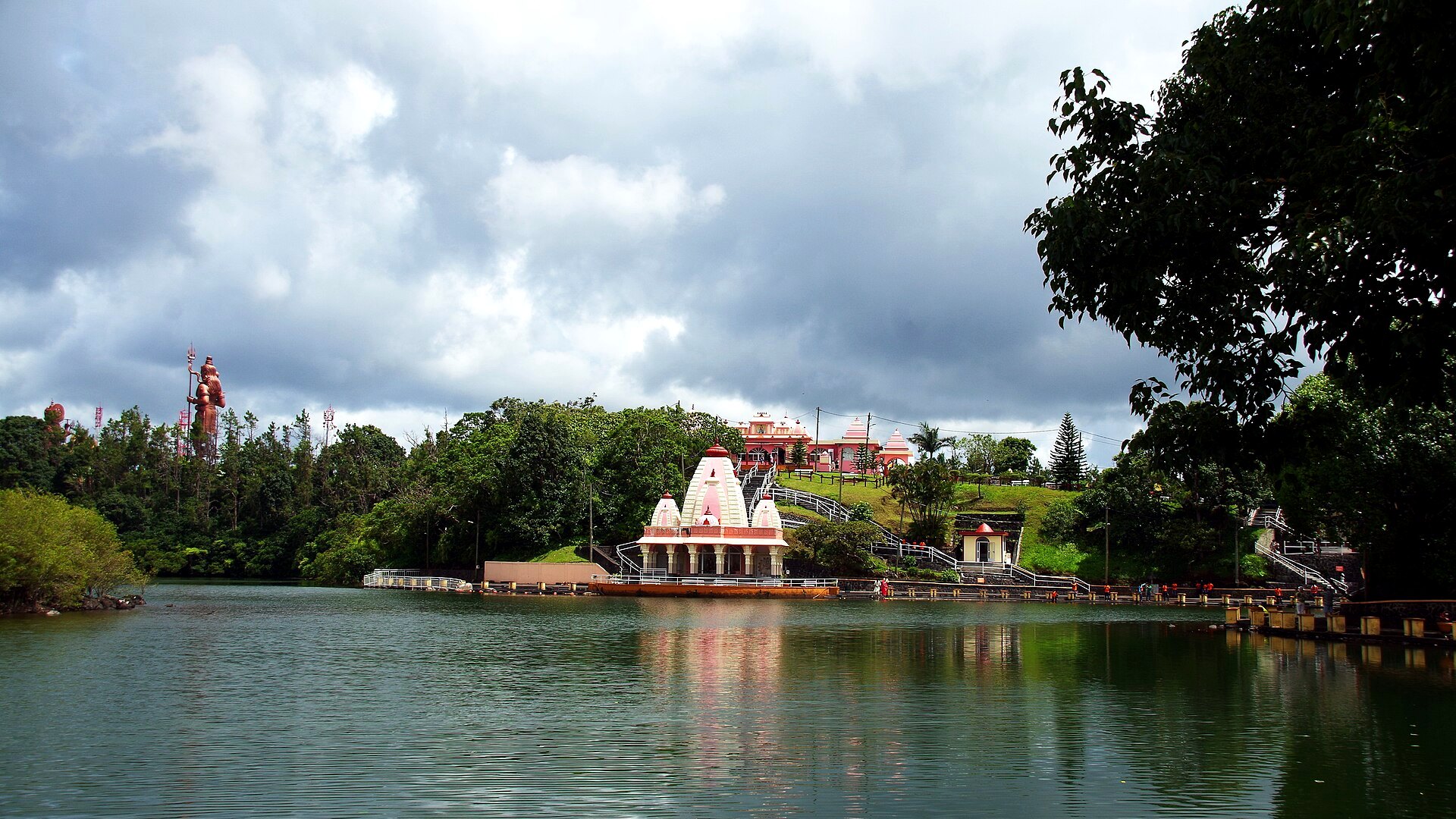
Since the mid-twentieth-century land lease, Hindu Maha Sabha has helped turn Grand Bassin from a remote crater into a national pilgrimage centre — temples on the shore, roads from the plateau, and space for hundreds of thousands of yatris at Maha Shivratri.
Infrastructure here means more than buildings: water, light, cleaning, crowd flow and shelters so that faith can move safely. Details below describe the main facilities under sabha care; plans and maps can be refined by the works committee.
Lakeside Shiva mandir (Kashi Vishwanath / Shakti Peeth), associated murthis, and routine care of roofs, floors, lighting and ritual spaces.
Walkways and platforms for Ganga, Hanuman, Ganesh, Lakshmi and companion deities around the crater lake.
Road approach and Ganga Dwar — the Sabha’s ceremonial threshold welcoming pilgrims toward the sacred shore.
Covered spaces for rest, katha, meetings and overflow during peak pilgrimage nights — originally among the reasons land was leased.
Historic push for roads from the plateau (Vacoas / Nouvelle France corridor) so families and kanwar carriers can reach the lake.
Drinking water points, ablution areas and cleaning during festivals — essential when crowd numbers surge at Maha Shivratri.
Temple electricity and festival lighting so continuous abhishek and night pilgrimage remain safe and visible.
Wayfinding, codes of conduct and information for first-time visitors — often upgraded with partner organisations.
Outside festival weeks the precinct runs for daily worship. At Maha Shivratri the site expands: temporary tents, extra toilets, water tankers, sound, lighting, medical posts and volunteer corridors coordinated with national task forces.
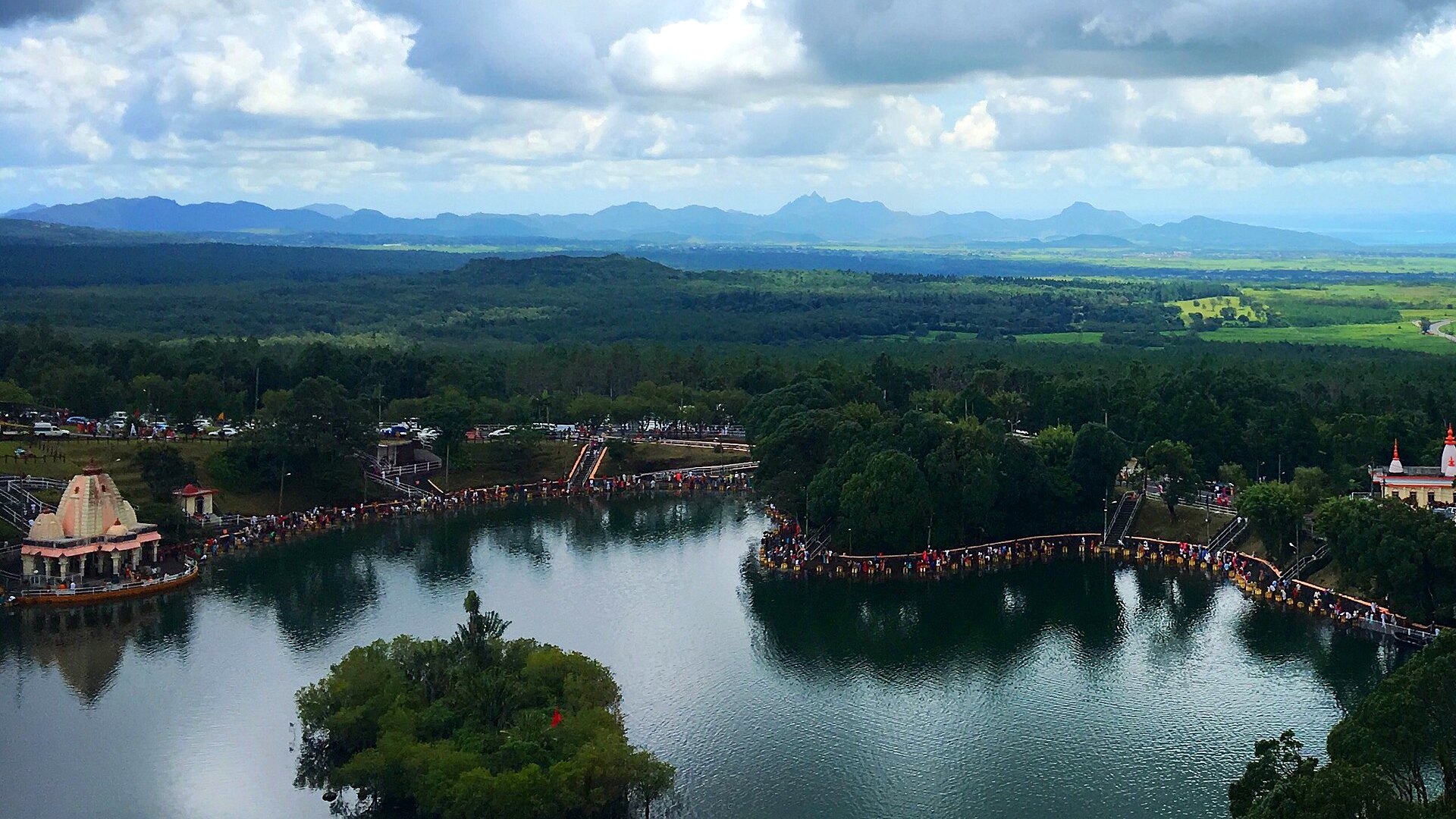
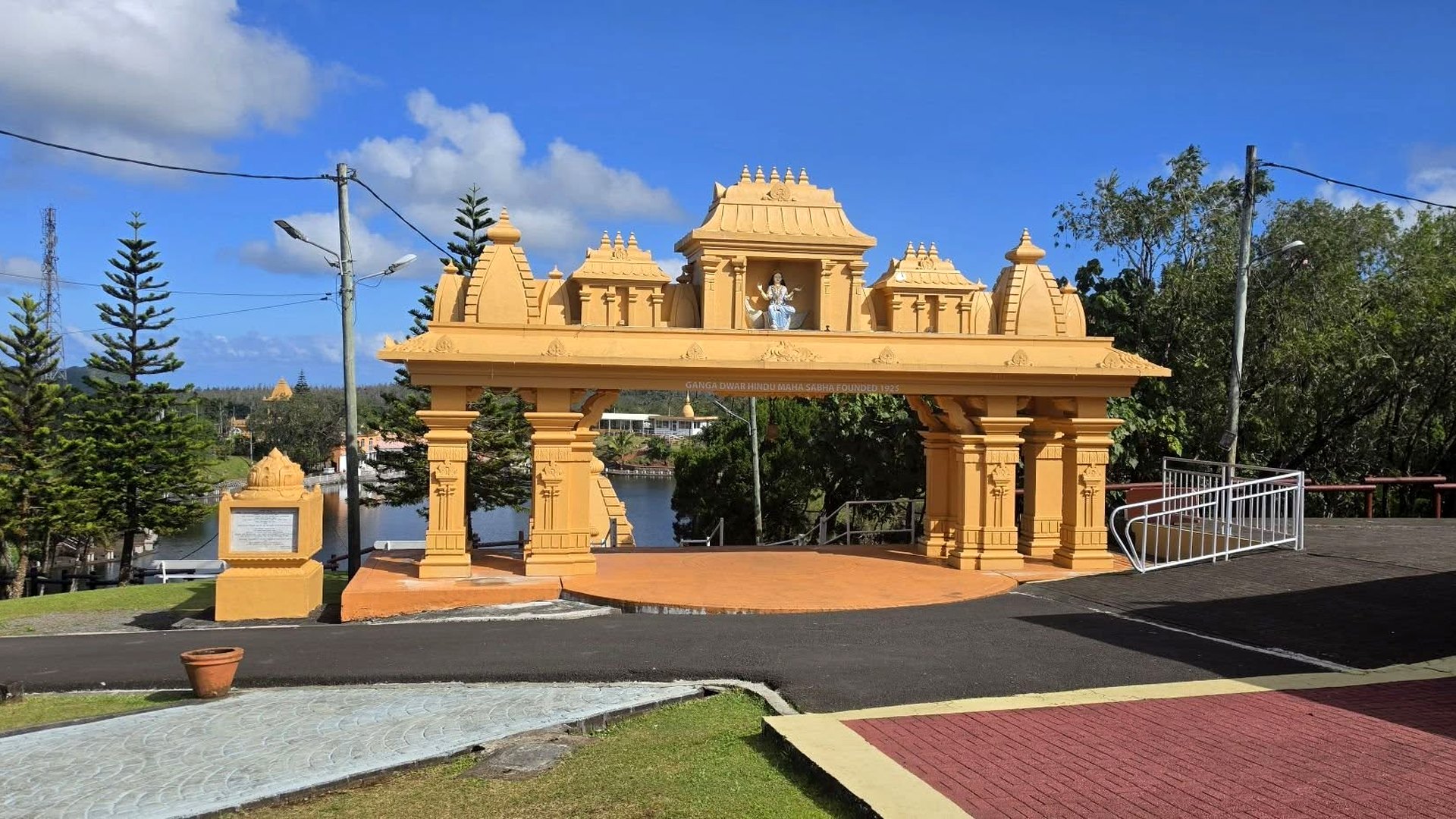
In the 1960s the Sabha secured a long lease of lakeside land for temples and pilgrim buildings. The first lakeside Shiva temple rose in 1966 through the gift of Mrs R.K. Boodhun; roads, electricity, Ganga Dwar and later expansions of Kashi Vishwanath followed.
Ongoing works still need donor support — repairs after cyclones, hall upgrades, accessibility improvements and festival-season temporary works. See Support for how to contribute.
Facility maps, parking notes, accessibility routes and approved development plans will be uploaded here when the committee shares them. Until then, use the Google Map on About for directions to Grand Bassin.
Placeholder for PDF site plan / master-plan drawings.